The Beverly Hills Effect: How Marbella Became a World-Class Luxury Market
Twenty years ago, a house on the Costa del Sol was sold as a house. Today it is sold as a way of living, photographed like a magazine feature, finished down to the cutlery, and occasionally designed by an architect whose name alone adds value.
That shift has a name in the industry. The Beverly Hills effect describes what happens when a resort market matures into a genuine luxury one: when property stops being the product and lifestyle becomes it, when design becomes a talking point rather than a specification, and when the top of the market becomes its most dynamic segment rather than its quietest. Marbella has been through that transition, and the evidence is now hard to ignore.
When the Coast Realised What It Was Selling
The turning point came when developers and agents here understood that buyers were not primarily acquiring square metres. They were buying climate, security, schools, golf, restaurants, the sea, and the particular ease of a life lived mostly outdoors. The property was the entry point to all of it.
Once that was understood, everything downstream changed. Marketing changed first, then presentation, and eventually the houses themselves. Homes stopped being designed as holiday properties — pleasant in July, uninsulated in January — and started being built as full-time residences. Better construction for year-round comfort, proper storage, larger interiors, a genuine range of styles rather than one default Andalusian template.
The same logic pushed the market upward. Marbella's core moved from mid-to-high-end to almost entirely high-end, and the neighbouring municipalities of Estepona, Mijas and Ojén moved up a tier behind it. Scarcity of building land within Marbella accelerated the process, since when you cannot build more, you build better.
The Homes Themselves
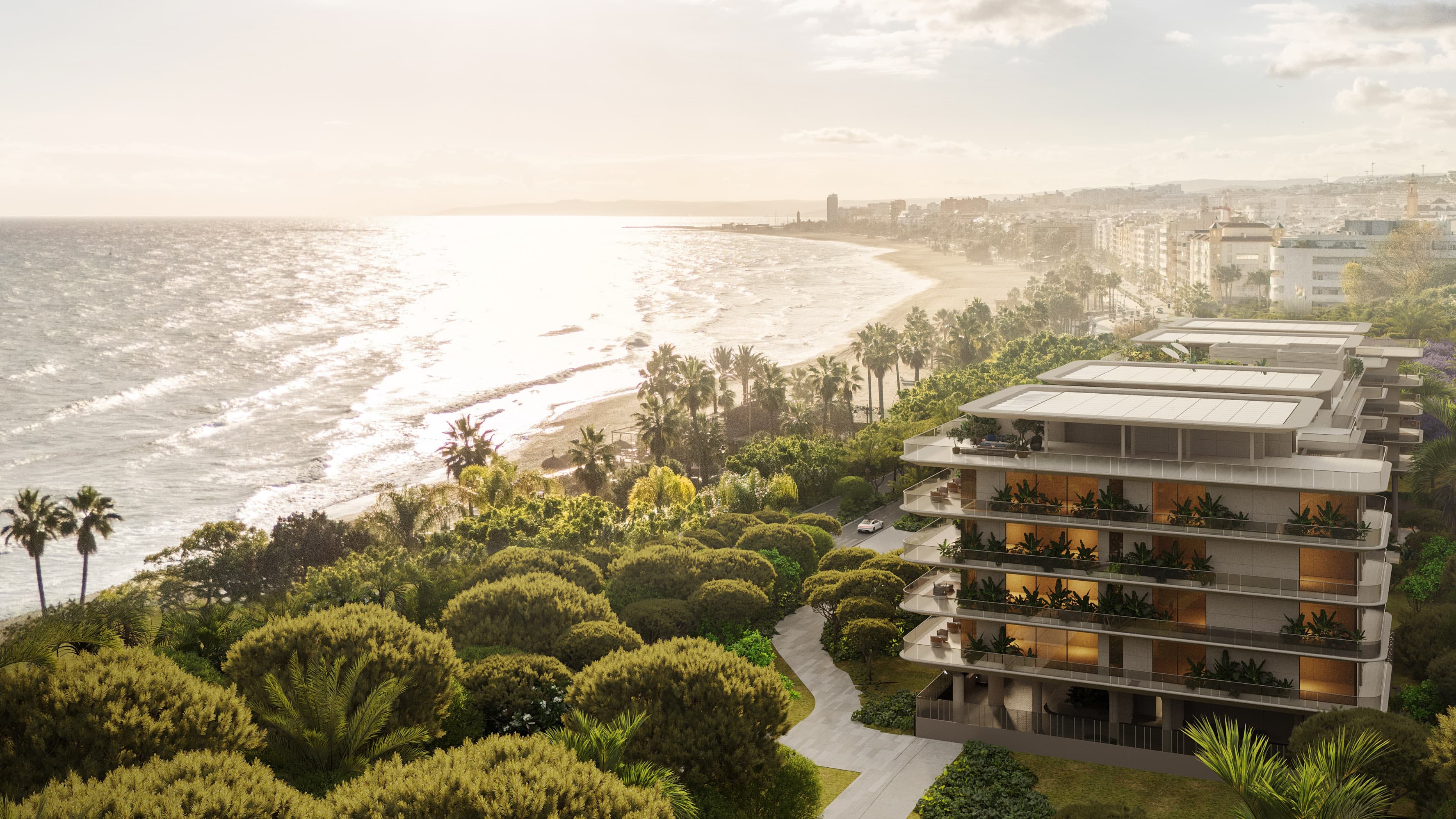
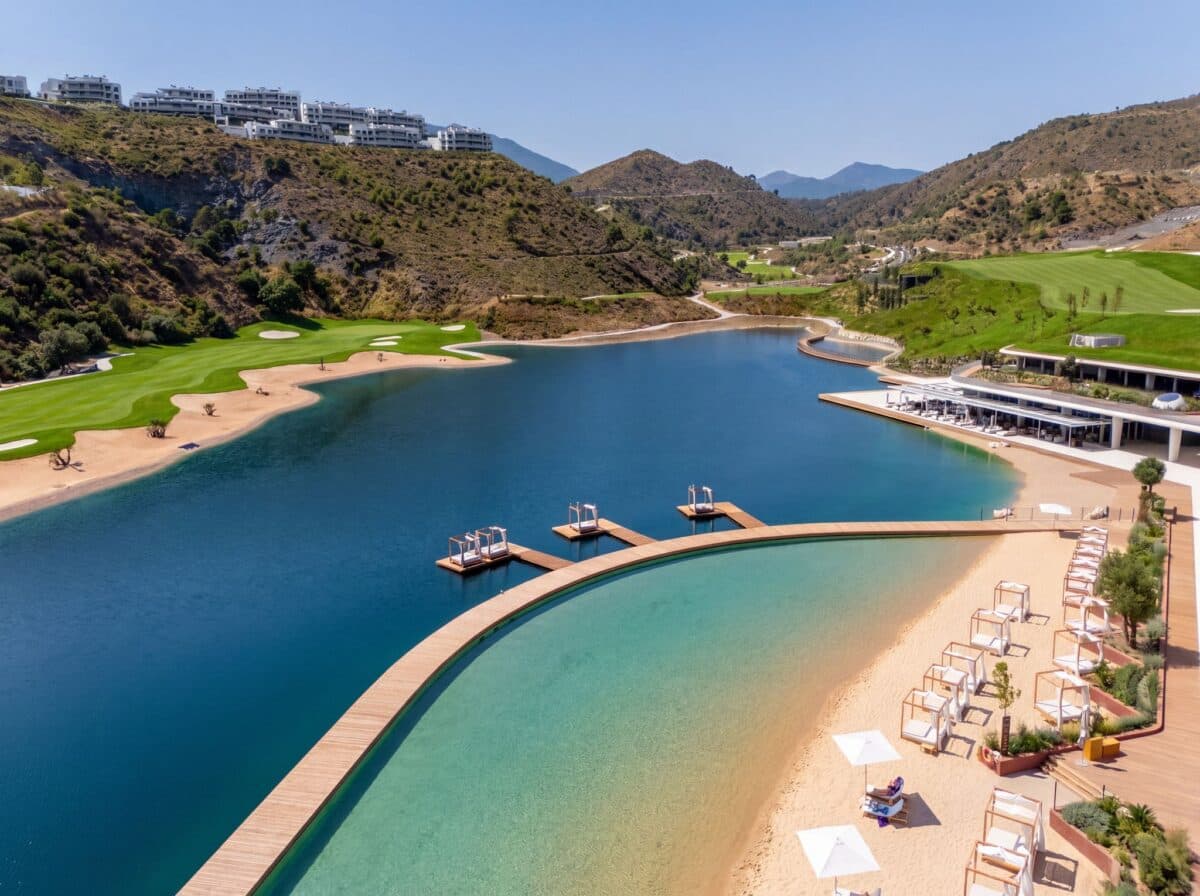
Walk through a new prime villa here now and the specification would be unremarkable in Los Angeles and unthinkable on this coast in 2005. Full home automation as standard. Indoor spas, wellness suites, wine rooms, cinema rooms, gyms. Apartment schemes that operate more like private five-star resorts than residential blocks, with concierge, security and hotel-grade amenities.
The key-ready villa is the clearest expression of it. Rather than handing over a finished shell, developers now deliver houses complete in every detail — furnished, dressed, art on the walls, glasses in the cupboards — so an owner can arrive from abroad with a suitcase. That model came directly from the American luxury market, and it now accounts for a significant share of what sells at the top of the Marbella market.
The Showcase Villa
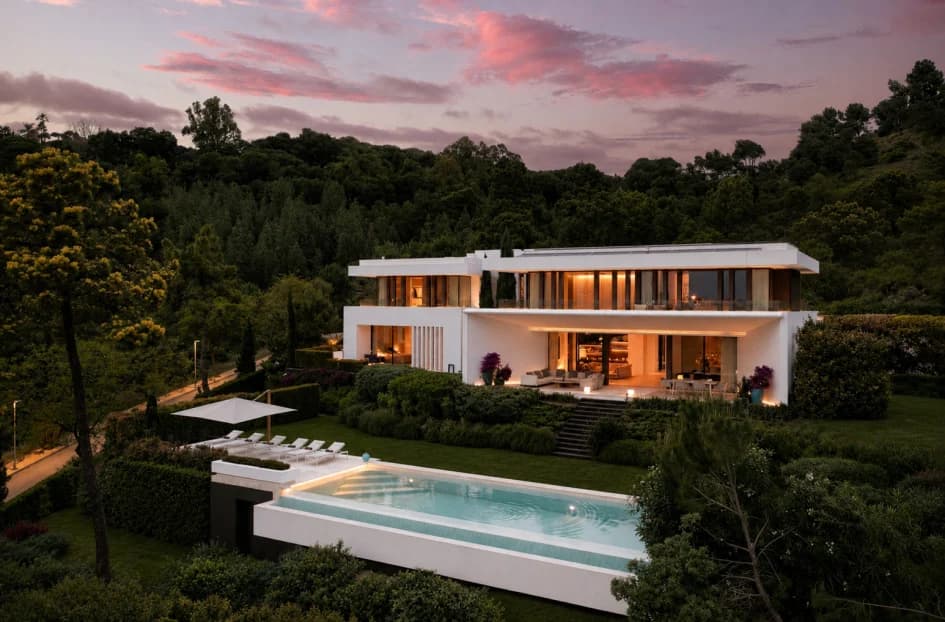
The other import is the showcase property: a house built not merely to be lived in but to be seen, discussed and photographed. Architecturally distinctive, internationally branded inside, and designed with the understanding that it will appear across social media and property television as much as in a listing.
This is where the starchitect arrived. Landmark villas signed by internationally recognised architects now command a premium here in the way they have long done in California, and the cachet extends to the fashion and design houses lending their names to residences. Fendi, Dolce & Gabbana, Elie Saab and Lamborghini have all attached themselves to projects on this coast, alongside hospitality brands including Four Seasons, Waldorf Astoria, St Regis and Banyan Tree. Spain now holds one of the largest branded residence pipelines in Europe, and much of it sits within forty minutes of Marbella.
Forbes Comes to Marbella
If a single event marked the coast's arrival in the global conversation, it was June 2026, when Forbes España held its first Real Estate Forum Costa del Sol at the Kimpton Los Monteros in Marbella. The magazine brought developers, investors, institutions and international buyers together under the banner of luxury, business and future living — not tourism.
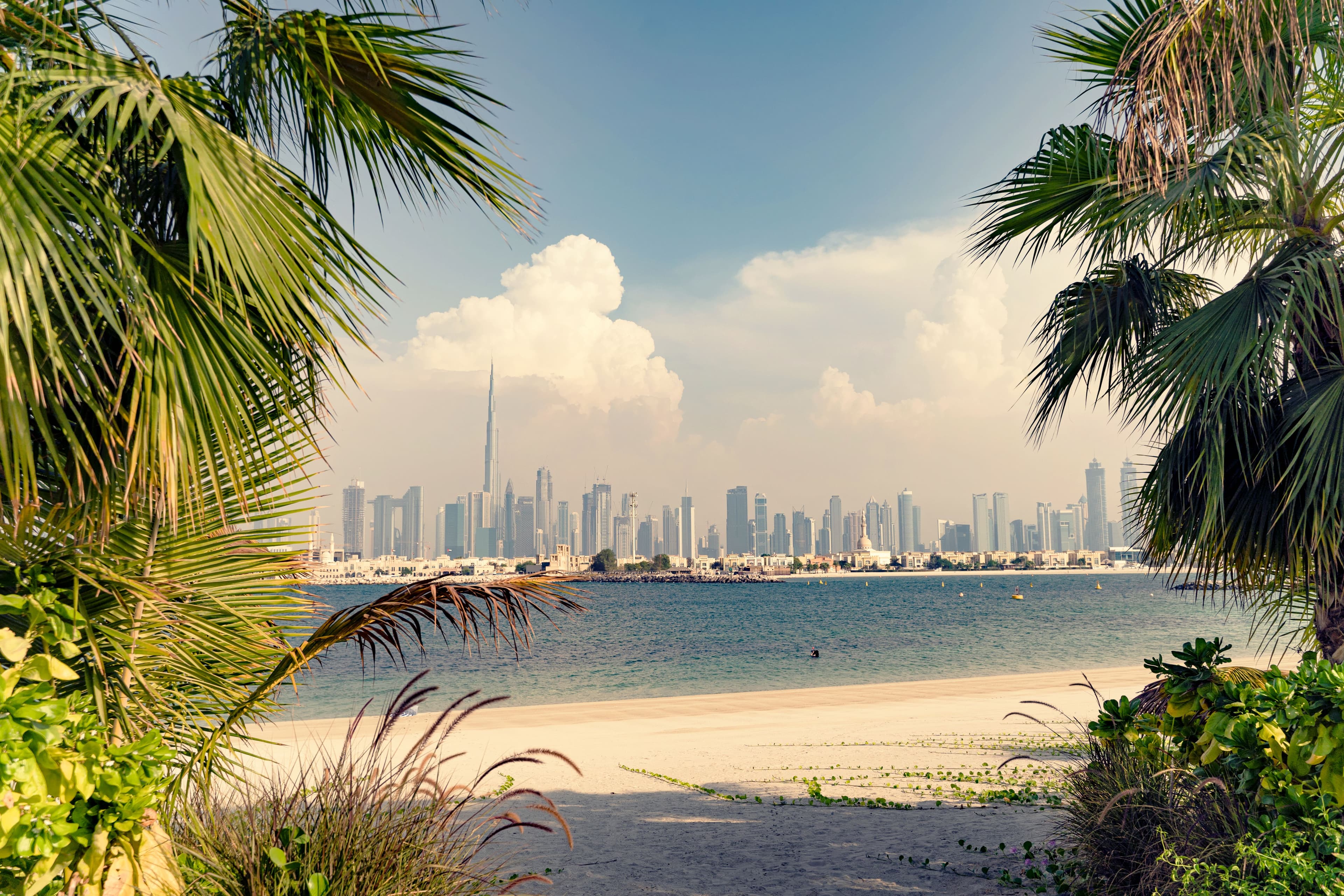
The framing mattered as much as the event. Forbes España's director general described the region's transformation into an international reference point, while one of the forum's organisers argued that the Costa del Sol now competes directly with residential ecosystems such as Dubai and Miami, and that the coast must now learn to manage its own success — pointing to annual residential investment exceeding three billion euros and the infrastructure required to absorb it.
Two themes ran through the discussion. The first was that the market's future lies in exclusivity rather than volume, given the shortage of both building land and skilled labour. The second was the arrival of a younger, more adventurous buyer, more willing to back emerging locations, which is already reshaping where prime development happens. One speaker noted the nickname beginning to attach itself to the region: the Costa Tech.
For anyone who remembers when this coastline was covered as a holiday destination and little else, a Forbes forum on prime residential investment in Marbella is a meaningful marker.
What This Means for Owners
The practical consequence is that the top of the Marbella market has become its most active part. Demand for the best homes in the best locations routinely exceeds supply, which compresses sales cycles and sustains values in a way that the mid-market does not always match.
It also means the standard has risen. A property that would have sold comfortably a decade ago on location alone now competes against key-ready, fully serviced, architecturally distinctive alternatives. For sellers, that makes presentation and preparation a commercial decision rather than a cosmetic one. For buyers, it means the gap between an unmodernised villa and a finished one is now far wider than the renovation cost, which is precisely why so much of the current activity here involves acquiring older houses and rebuilding them entirely.
And for the coast as a whole, it means Marbella is no longer measured against other Spanish resorts. It is measured against Cap Ferrat, Porto Cervo, Miami and Dubai — and increasingly holds its own on price per square metre, climate, security and the sheer depth of its international buyer base.
Conclusion
The Beverly Hills effect is not about imitation. Marbella has not become Los Angeles, and its appeal still rests on something distinctly Andalusian: the light, the mountains, the sea, the pace of life. What has changed is the professionalism wrapped around it — the quality of what gets built, the sophistication of how it is presented, and the seriousness with which the world's luxury market now takes this stretch of coast.
Fifty years after Prince Alfonso von Hohenlohe opened the Marbella Club, the town he effectively invented has grown into one of the genuine prime residential markets of Europe. The last two years suggest it is still accelerating.